FDA approved a $250,000 Singapore work trip during government shutdown, records show

Marty Makary, President Donald Trump’s nominee to be U.S. Food and Drug Administration commissioner, attends a Senate Health, Education, Labor, and Pensions Committee confirmation hearing on Capitol Hill in Washington, March 6, 2025.
Washington, D.C. — The U.S. Food and Drug Administration is defending its decision to send more than 30 staffers to an international conference at a Singapore island resort during the final days of the record-long government shutdown, a move that government watchdogs are calling a lapse in judgment and poor optics.
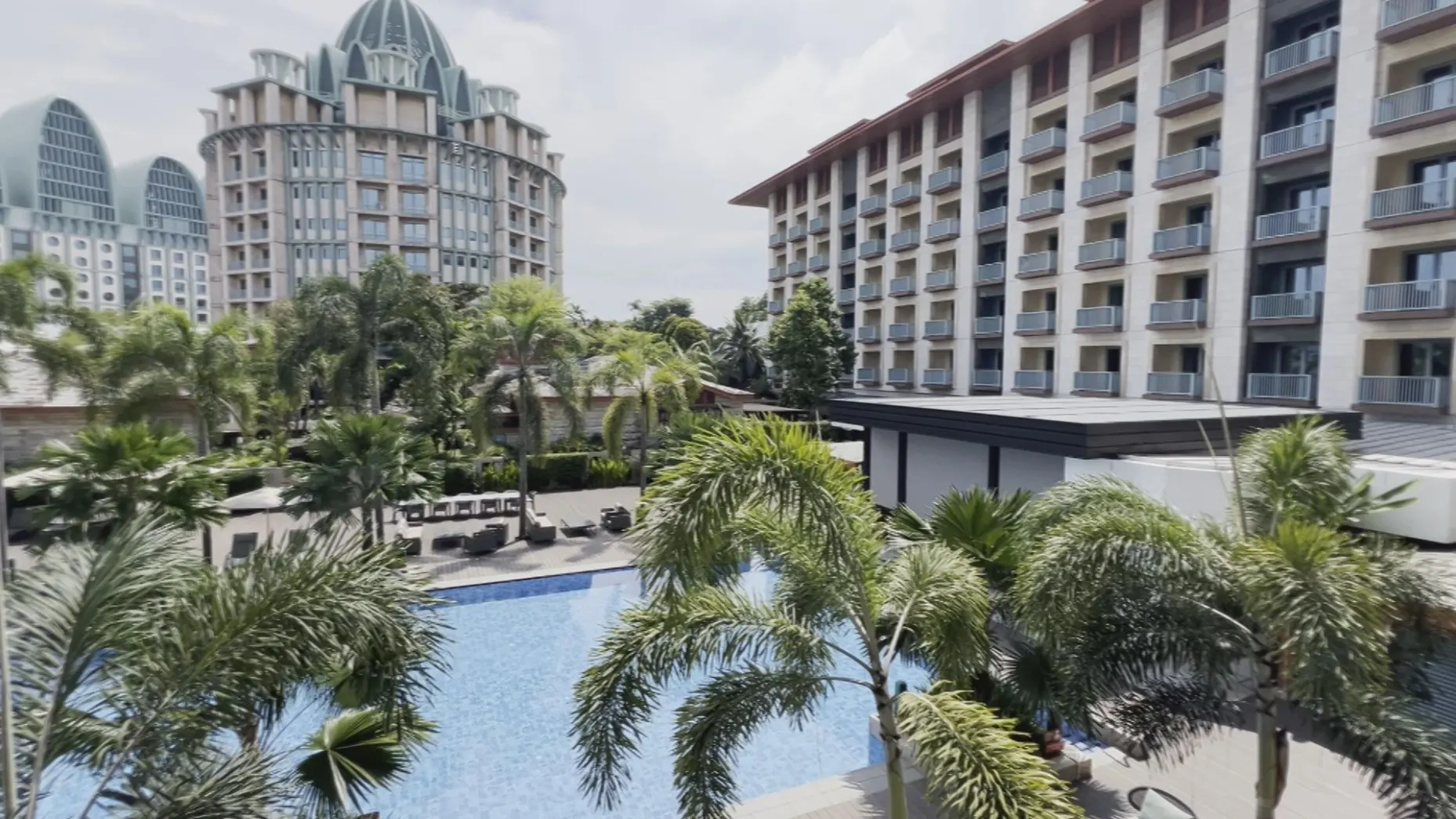
Internal documents and emails reveal the agency's leadership grappled with the "optics" of the travel, which was approved just a week before the 43-day shutdown ended. Most attendees departed on November 12, the same day the House voted to reopen the government. The trip was funded by industry user fees, not direct taxpayer dollars, a distinction critics say is irrelevant.
A "Mission Critical" Gathering or a "Bad Look"?
The FDA stated that participation in the International Council for Harmonisation (ICH) assembly was "mission critical" to support global alignment on drug approval standards. The conference, attended by roughly 500 regulators and industry experts, adopted three new guidelines aimed at streamlining clinical trials and safety reporting worldwide, to which FDA staff contributed.
However, government oversight advocates strongly questioned the priority. "At a minimum, it’s a kind of bad look and it’s poor optics," said Dylan Hedtler-Gaudette of the Project On Government Oversight. "At the worst, it could be a kind of a dereliction of duty." He argued that user fees are still public funds that must be guarded with the same respect as tax dollars, especially when the agency's core funding was lapsed.
Internal Debate Over "Optics" and Policy
Internal communications show senior FDA officials were acutely aware of the perception problem. An agency webpage, removed after CNBC's inquiry, stated that conference approval would be handled "case-by-case" due to "the optics of business travel conducted during a shutdown."
In an October email, FDA Chief Operating Officer Barclay Butler directed that user fees only be used for work addressing "imminent threats to the safety of human life." A later email chain among directors discussed canceling all travel and allowing only virtual participation, highlighting an internal strategic pivot toward caution. The final decision to proceed with the Singapore trip was elevated to the highest leadership level.
Navigating the Aftermath and Future Scrutiny
The episode underscores the difficult high-stakes race federal agencies must run in balancing vital international cooperation with public accountability during a fiscal crisis. While the FDA asserts the technical value of the conference, the timing has ignited a debate over judgment and the stewardship of funds.
This incident is likely to increase scrutiny of future agency travel, particularly with the next ICH conferences scheduled for Rio de Janeiro and Prague. For regulators, maintaining public trust while engaging in essential global competitive ecosystems like pharmaceutical standardization will require more transparent and consistently applied policies to avoid similar controversies.
The Singapore trip may have been legally permissible under fee structures, but in the court of public opinion, the FDA now faces the challenging strategic maneuver of repairing its image and justifying its priorities in a politically charged environment.
Recent
News



Newsletter
Subscribe to our mailing list to get the new updates!

Subscribe our newsletter to stay updated
Most
Reviews
Markets

Finance

- Sat, 24 Jan 2026
Crypto Isas are here — but are they a good idea?
Markets

- Tue, 20 Jan 2026
Tenet Healthcare (THC) Stock Moves -1.77%: What You Should Know
Business